The Line · 2012 → Today
Decade of Experience, every stop earned.
From a first-place capstone to a province-wide engineering command, traced station by station, with the projects and numbers that mark each one.
2012 – MAY 2017 · CALGARY, AB · MP 000
BSc Civil Engineering
University of Calgary · Minor, Structural
Structural minor, and a capstone that hinted at what came next: a first-place proposal for net-zero-emission project execution.
As fundraising lead for the team's run at the CSCE national bridge-building competition in Montréal, I cold-called bars and pubs across Calgary to organize a bottle drive pick-up, clearing $6,000 to cover travel and materials.
1st
Capstone Award · Net-Zero Execution
$6K
Raised for CSCE bridge comp. · Montréal
Alongside the degree · 2 side gigs
Engineering Intern
May 2015 – Jun 2016
Beck Engineering
Completed structural designs for clients under strict time and budget constraints, and built a personal system for running many small-to-medium projects at once, efficiently and consistently. Coordinated with contractors, vendors, and subcontractors to answer RFIs promptly without losing the details.
AutoCAD S-FRAME NBC Steel Handbook
Top Performer · Part-time
Dec 2012 – May 2015
Guess by Marciano
Worked the floor through engineering school, styling displays and holding the store to company standards, and consistently earned commission, hitting sales targets nearly every month. The track record earned flexible part-time standing across every Calgary location, which almost never happens.
MAY 2017 – FEB 2020 · WESTERN CANADA · MP 021
Engineer in Training
Canadian Pacific Railway
I bring a combination of technical judgment, operational ownership, and structured problem-solving. I am highly comfortable working through engineering detail, field constraints, constructability issues, cost and schedule pressure, and stakeholder risk. My strength is translating that complexity into practical decisions that keep work moving safely and efficiently. I am also outspoken, and not afraid to challenge the status quo to deliver results.
I owned the smooth running of my projects end to end, developing and executing every scope and supporting the Director of Track on decisions across the territory. That extended to the hard files too: investigations of non-compliance and labour-dispute arbitration.
$120M+
Capital programs delivered
100%
Budget & safety compliance
Featured projects · 2 case studies
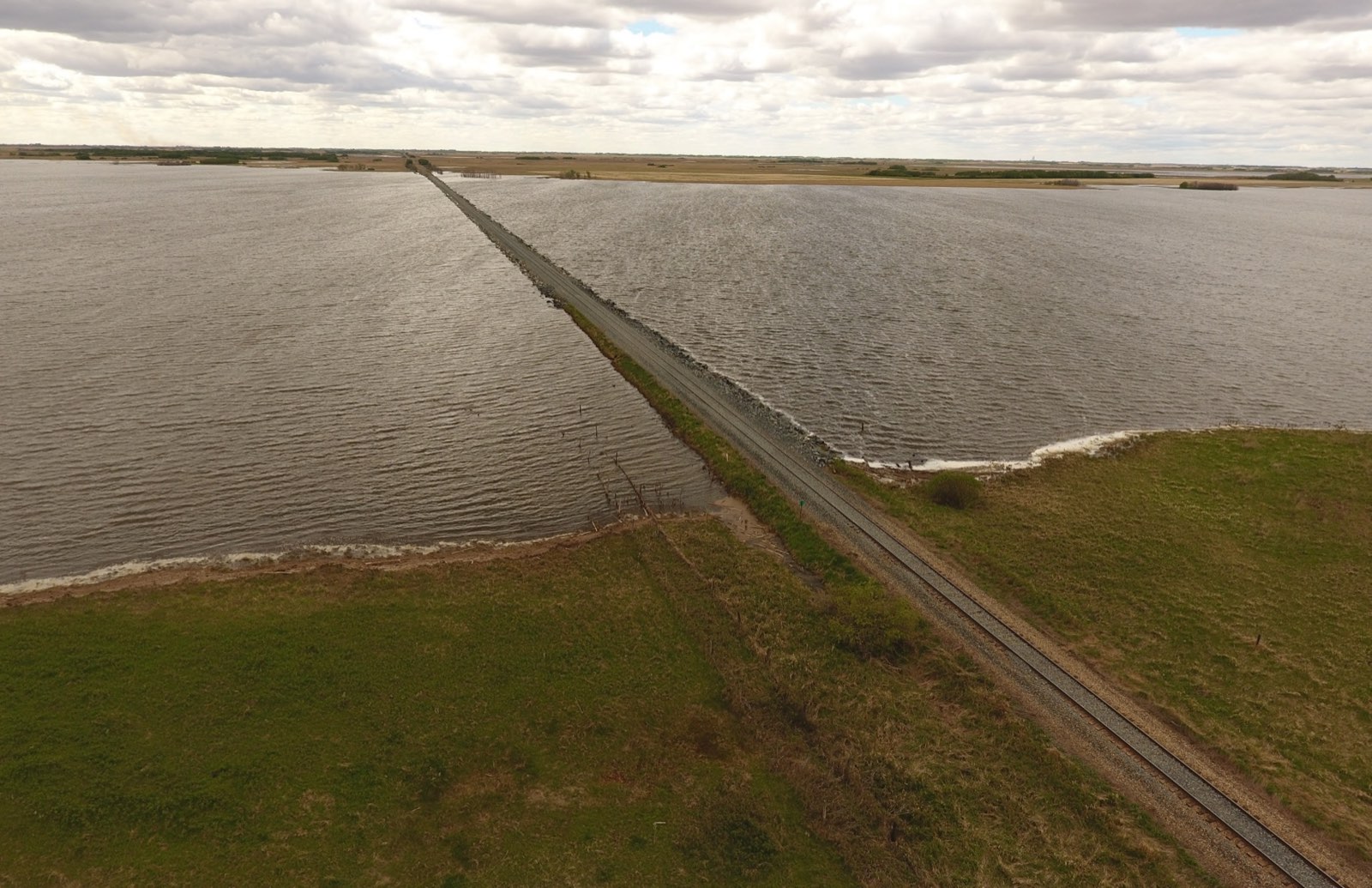
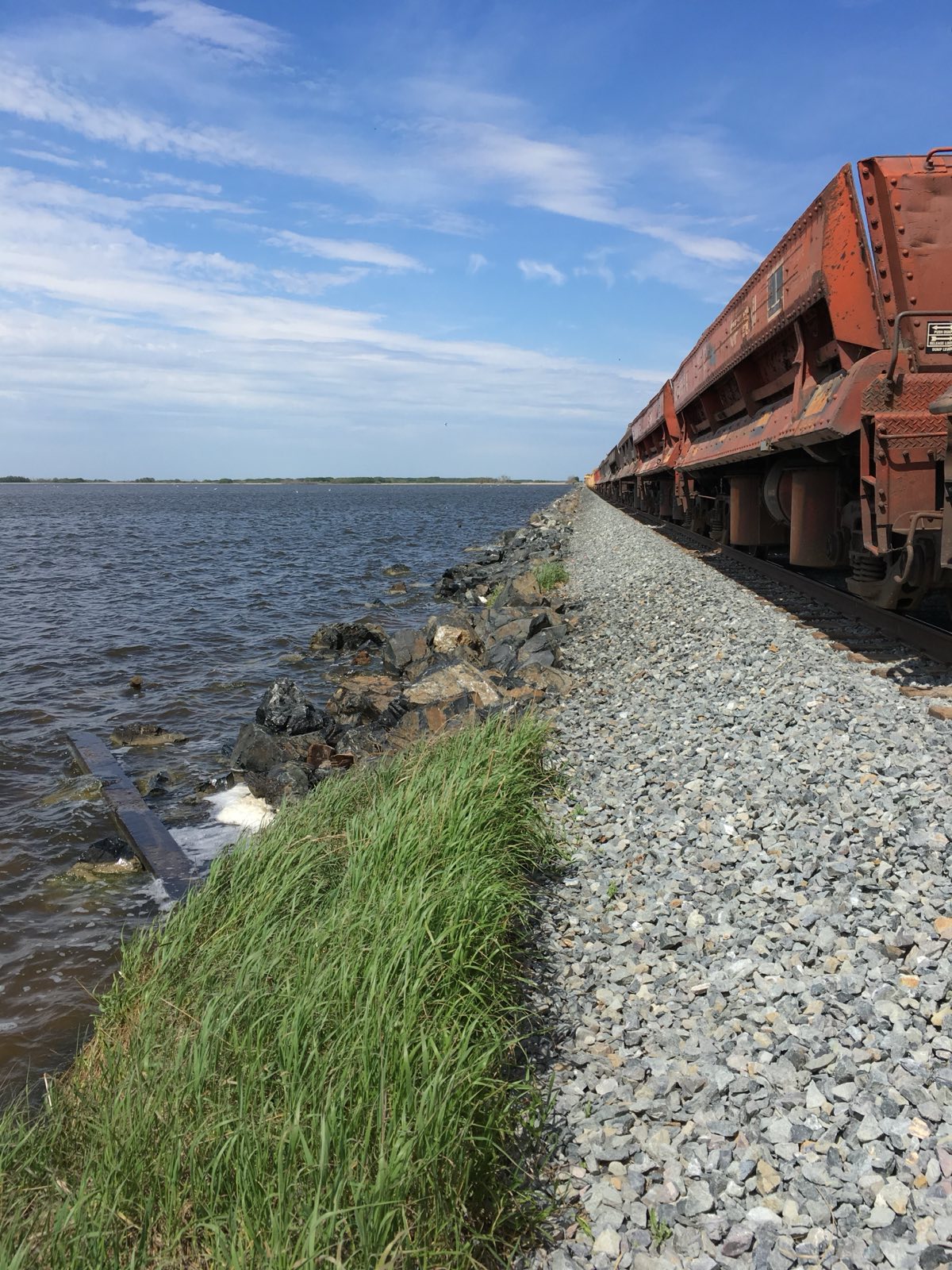
Field artifact · Quill Lake, SK
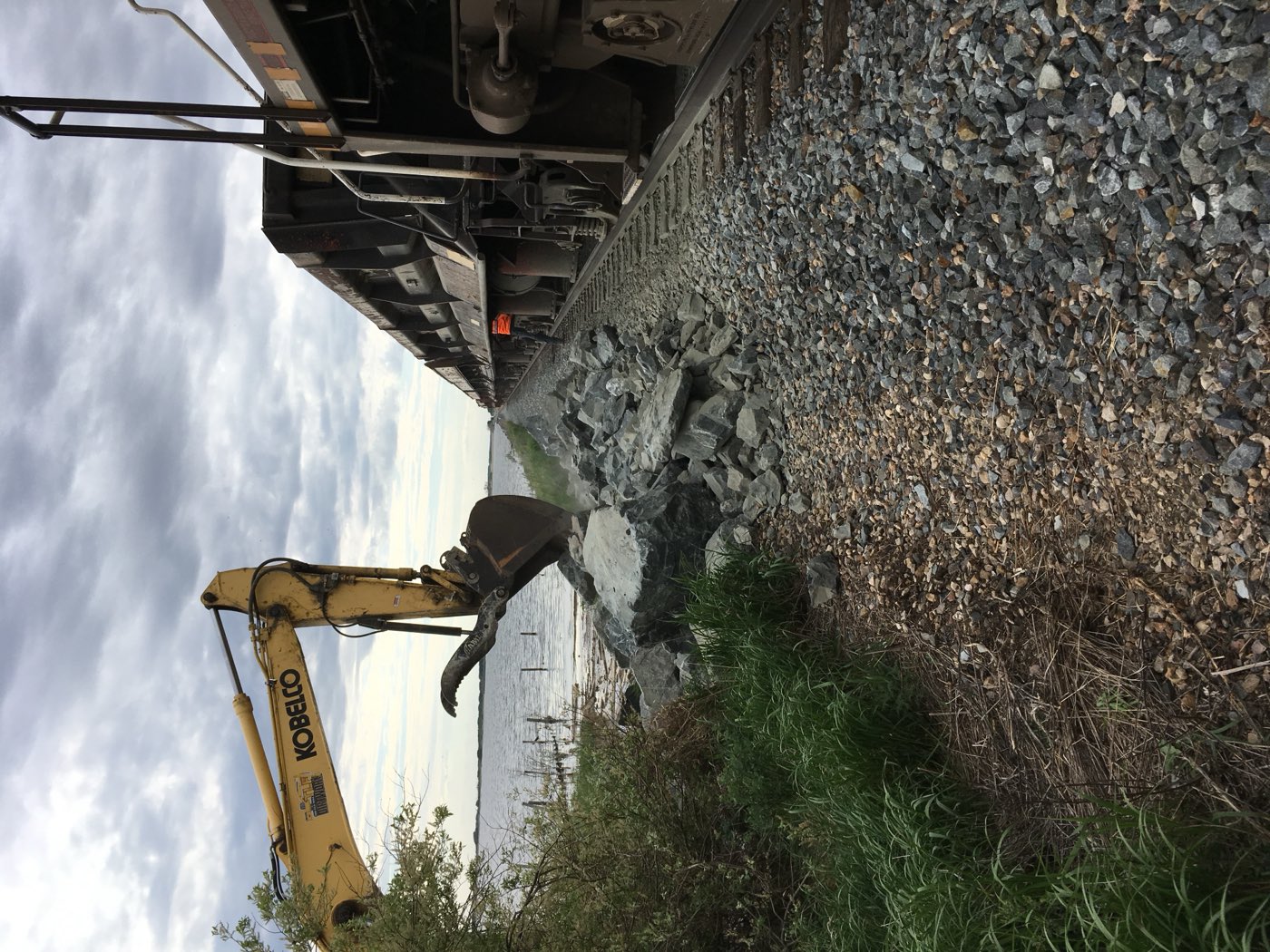
King Causeway · Quill Lake Track Raise
2017–2019 · $5M A rising lake was reaching the Sutherland Sub main line. The twin box culverts under the track were already submerged. I scoped and ran a two-year program to raise the line ahead of the water, engineered around the railroad's own strengths.
Outcome · Main line protected; a rail-based mobilization method and reduced standby terms I devised became reusable company assets.
Case study →
Quill Lake had spent years swallowing grid roads and creeping toward the rail lines of east-central Saskatchewan, and by 2017 it was reaching for the Sutherland Sub main line. The water had risen so far that the twin concrete box culverts under the track had to be inspected by underwater sonar. The structures carrying the line were already submerged. Standing still wasn't an option.
I scoped and ran the two-year, $5M response, and planned it to play to the railroad's advantages rather than fight them: materials the railroad sources cheaply, and delivery and construction methods built around rail.
Where it really paid off was the contracting. I drafted the contractor-equipment agreements to secure a reduced rate on standby time, and solved the hardest logistics problem (moving heavy machines on and off an isolated causeway) by procuring a flatbed railcar. That let the contractor mobilize in and out between the railroad's material deliveries (roughly every six weeks) instead of sitting idle on the clock. Over the long run it became a company asset: a rail-mounted way to shuttle equipment to site that helped on later projects too.
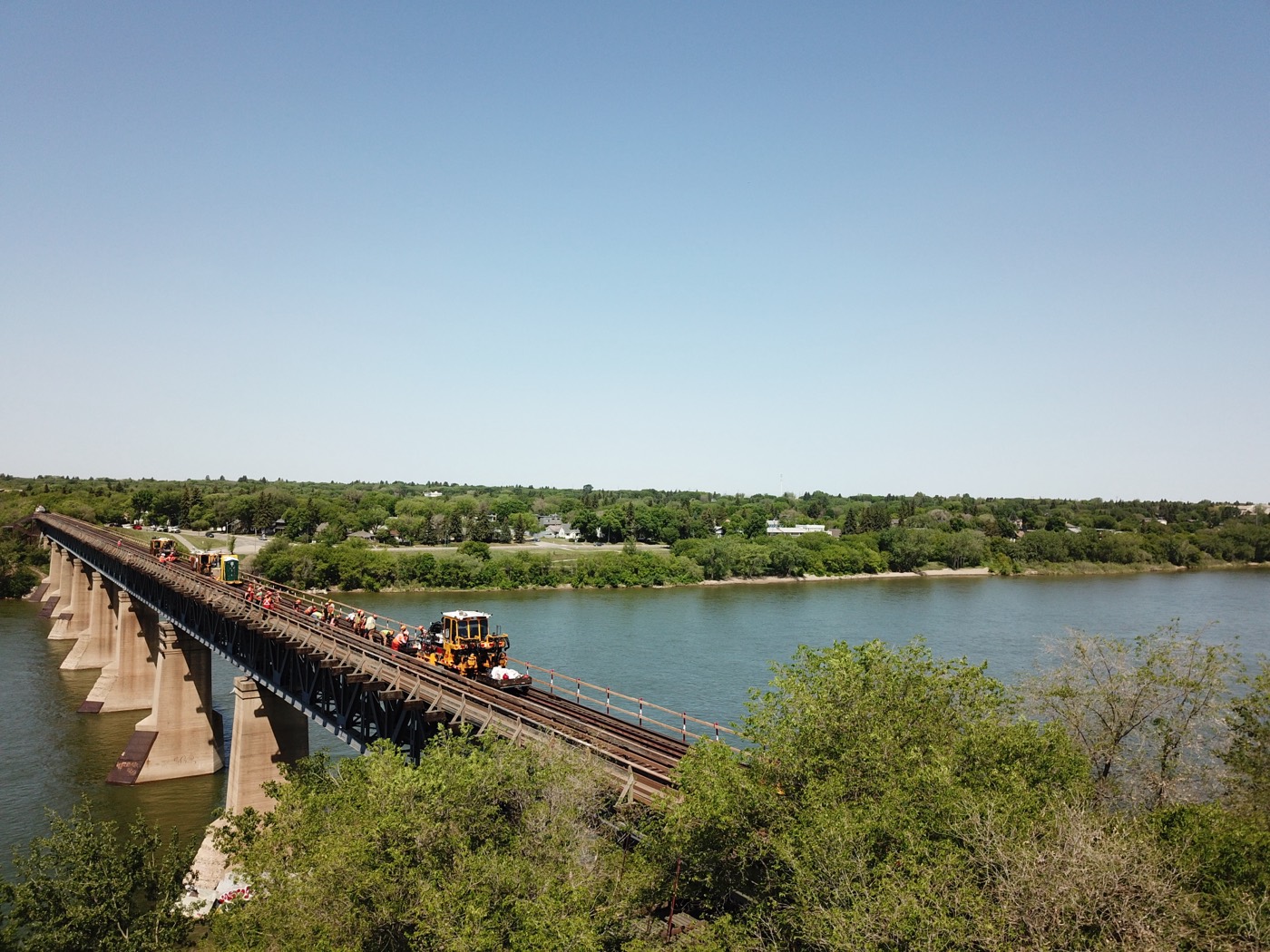
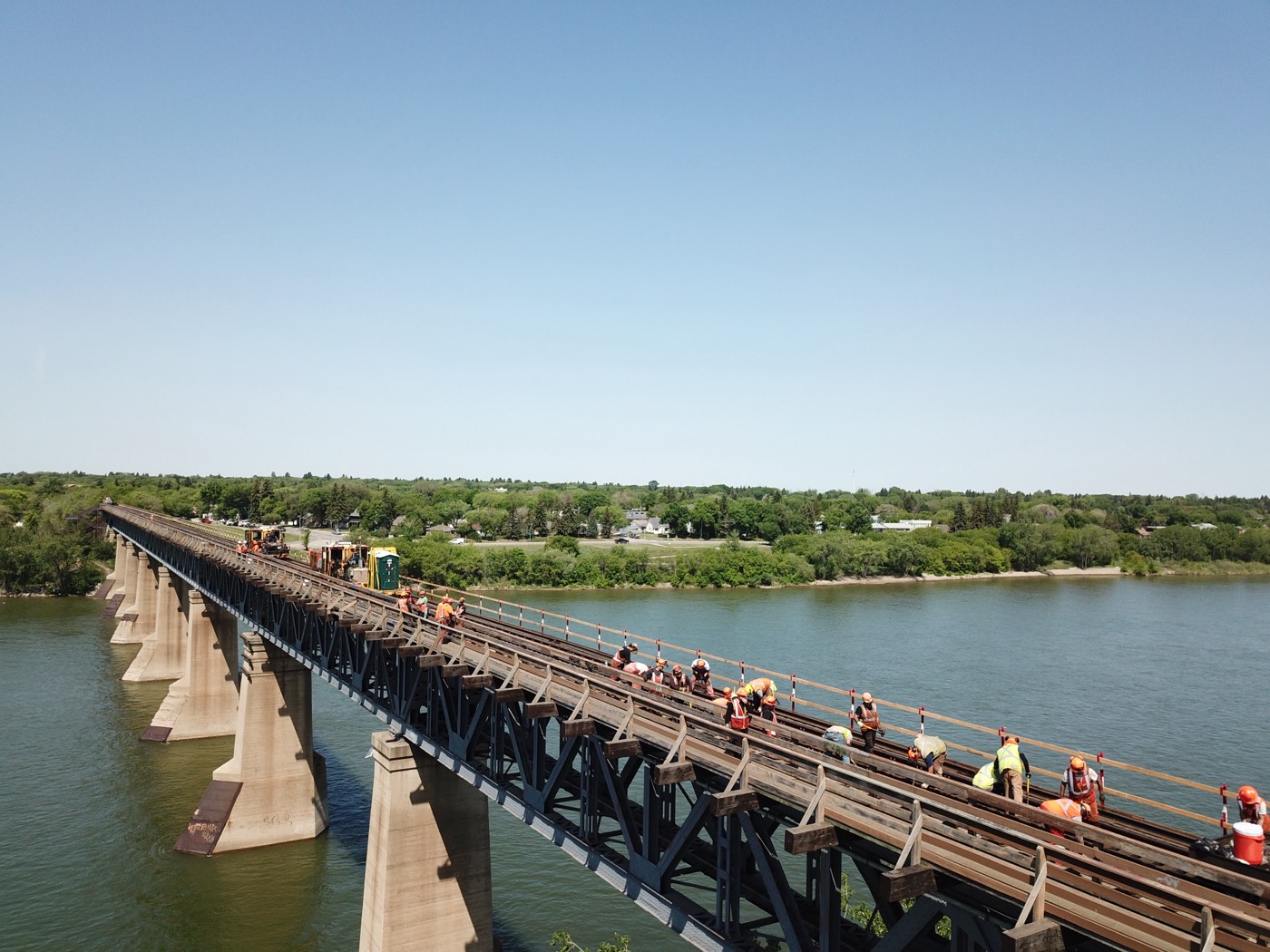
Field artifact · Saskatoon, SK
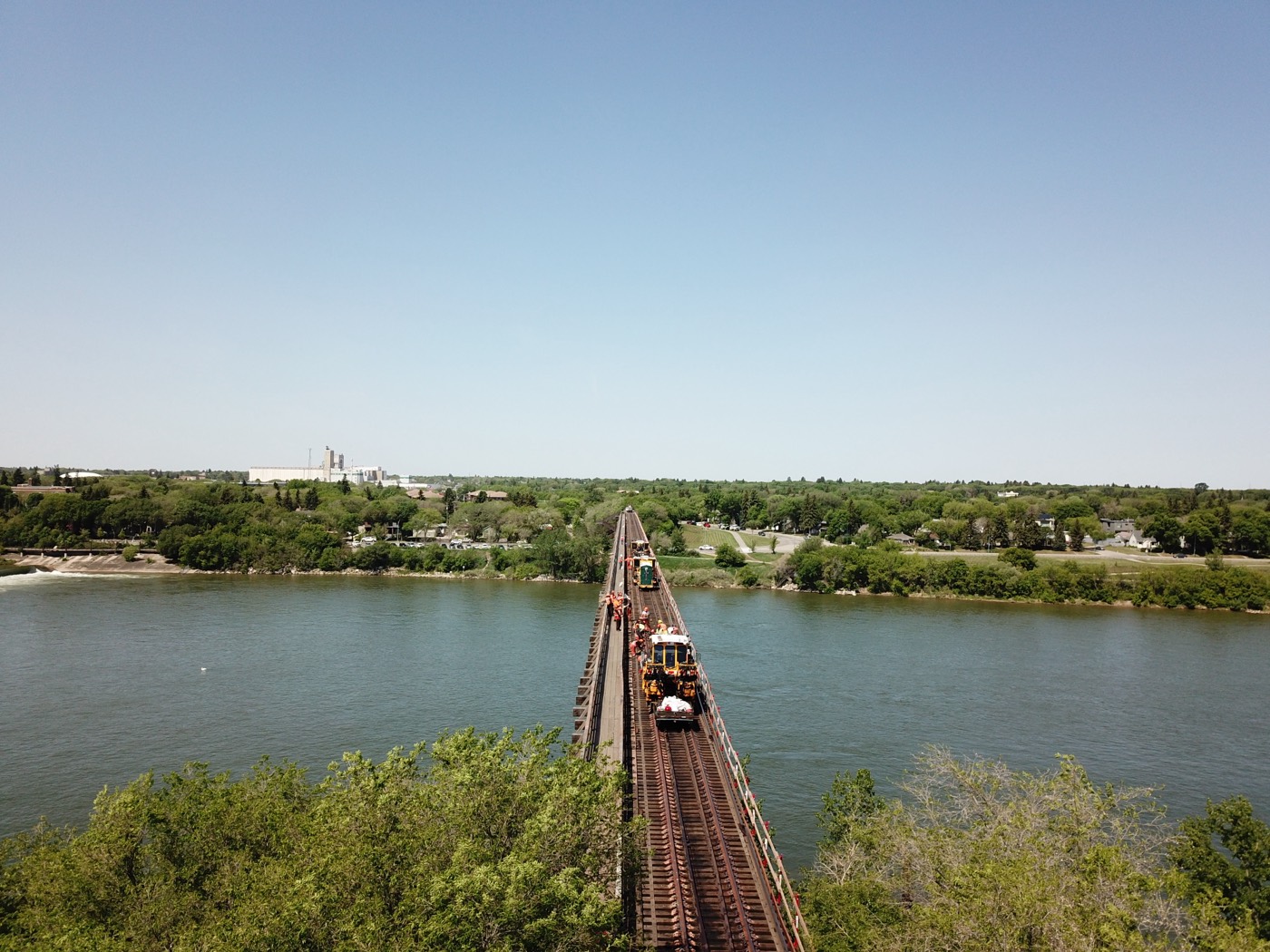
S. Saskatchewan River Bridge Rail Renewal
2018 · 345 m Renewed jointed rail across a 345 m bridge over open water and a public park, re-planning every work method so nothing loose could reach the river below.
Outcome · A lightweight C-clamp handrail post replaced the 70 lb steel standard: equal resistance, cheaper and faster. Adopted company-wide; still in service eight years on.
Case study →
Protecting a river and a public park while renewing rail high above both. The constraints made this project interesting. Every work method was re-planned so nothing loose could reach the water, and public access below was closed in coordination with the City of Saskatoon.
The lasting win came from challenging a standard: the prescribed temporary handrails used heavy 70 lb steel posts, slow to erect over open water. A lightweight C-clamp post delivered equivalent lean resistance at a fraction of the cost and install time. The design was implemented company-wide, and eight years on the original posts are still working.
FEB 2020 – JUL 2023 · CALGARY, AB · MP 048
Project Manager, Industrial Development
Canadian Pacific Railway
Full-lifecycle delivery of commercial infrastructure, from concept through commissioning, while negotiating right-of-way and stakeholder matters with property owners, municipalities, Indigenous communities, and federal agencies.
$200M+ Commercial infrastructure led annually
Featured projects · 3 case studies
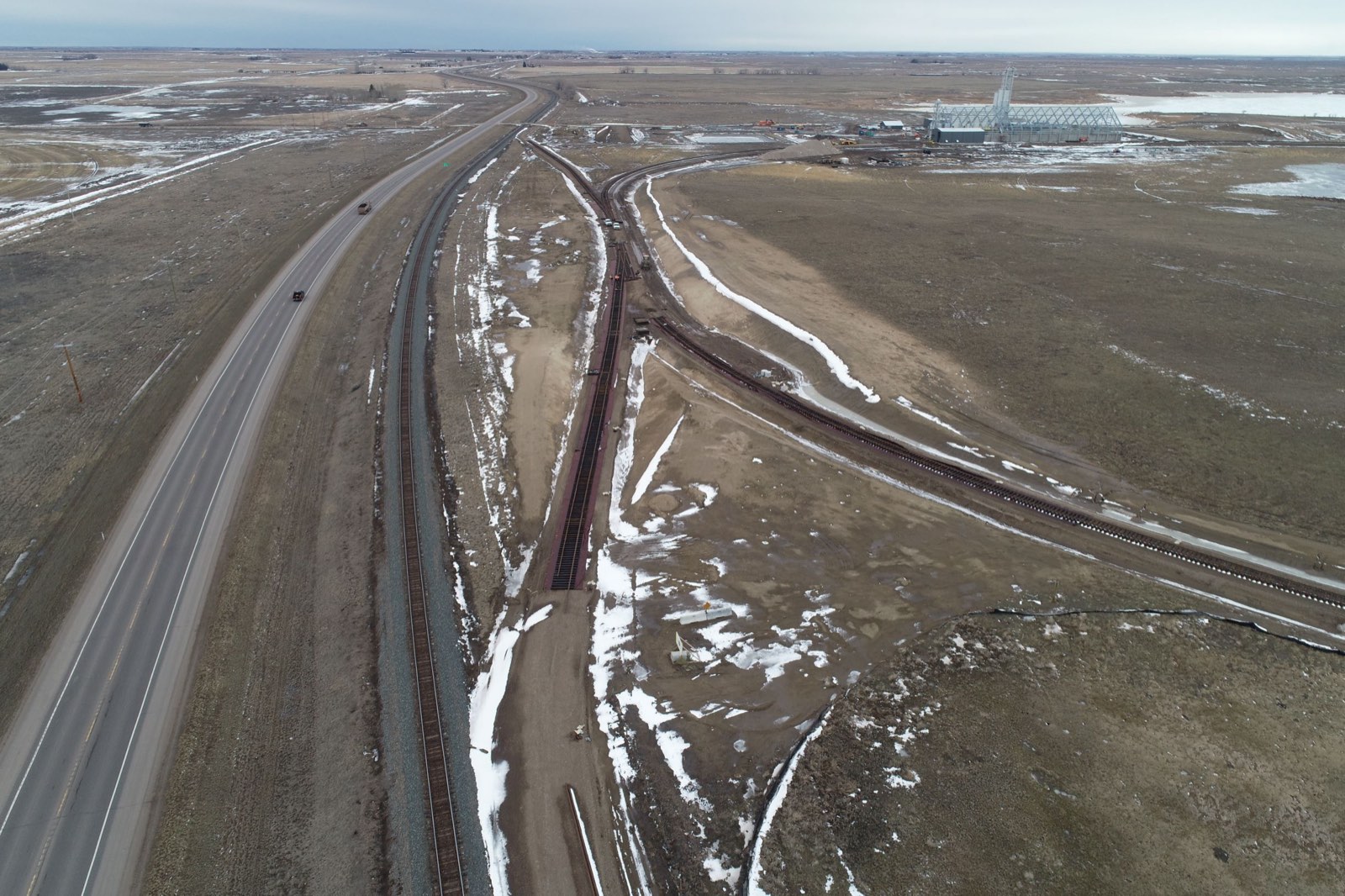
Field artifact · Grassy Lake, AB
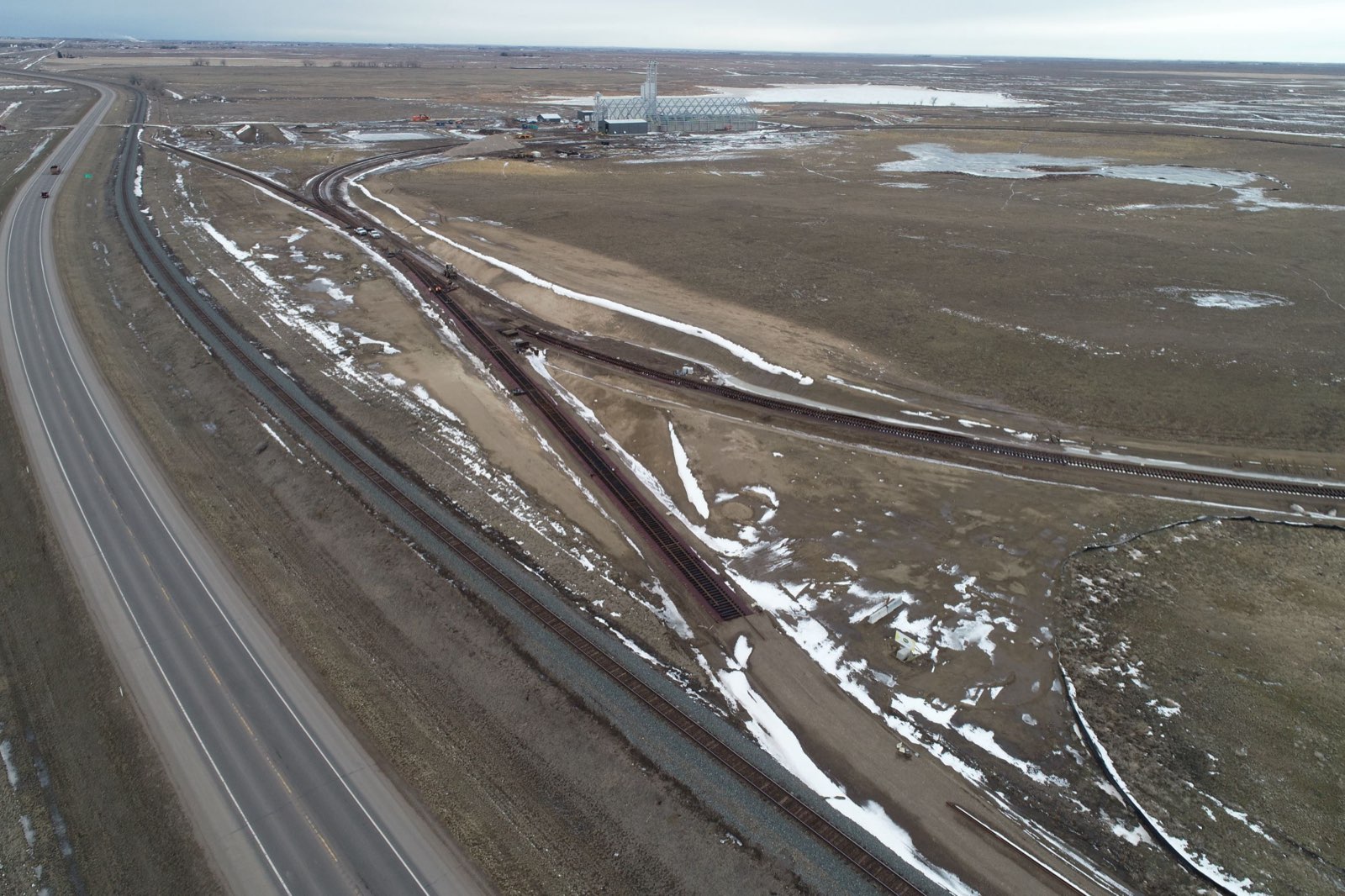
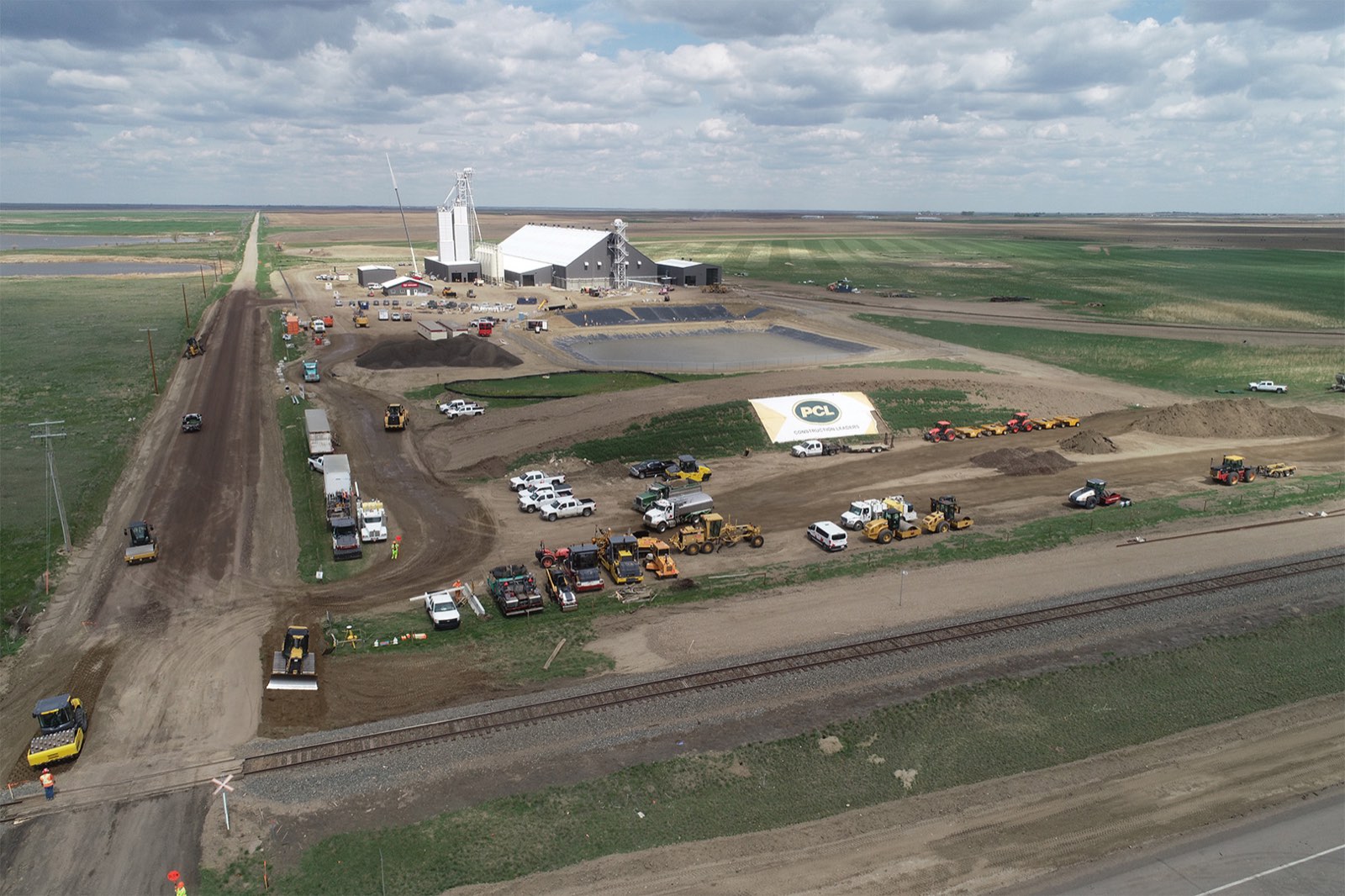
FCL Grassy Lake Loop Track
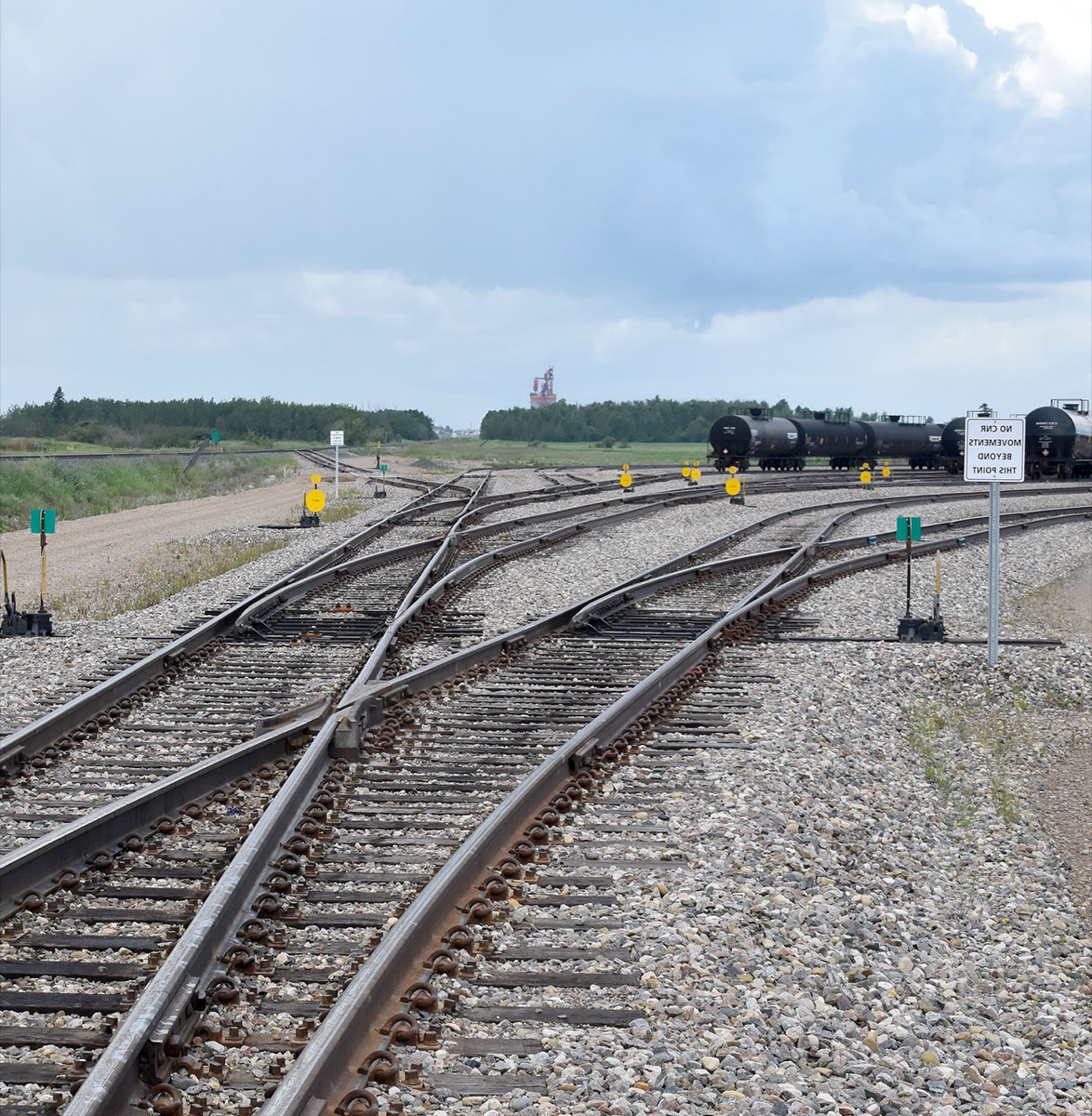
2020 · 110-car unit trains Led the rail scope for a new fertilizer terminal on the Taber Sub: two mainline switches and a loop track laid out to cycle 110-car unit trains through the plant.
Outcome · New carload revenue and freight shifted off trucks, all delivered as a fully customer-funded build with no capital carried by the railroad.
Case study →
Industrial development is where the railway grows its book of business, and this one turned a prairie site at Grassy Lake into a rail-served fertilizer terminal. I managed the rail scope: two new mainline switches and a loop track on the Taber Sub, laid out to cycle 110-car unit trains through the plant.
The commercial shape mattered as much as the civil work. The build was funded by the customer, so the railroad added long-term carload revenue and took truck traffic off the highways without carrying the capital. I coordinated it from concept through switches-in-service across the customer, their contractor, and operations.
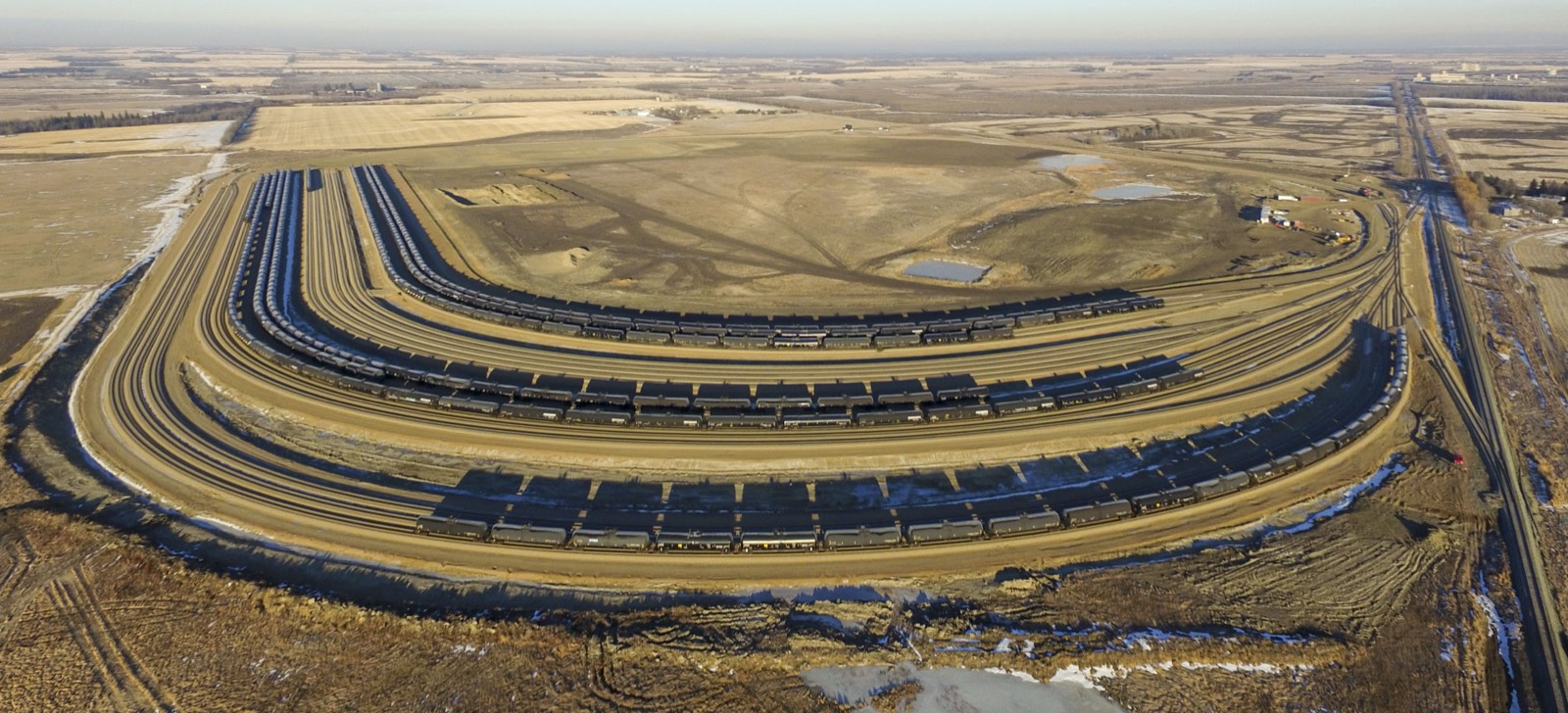
Field artifact · Ports to prairie terminals
Industrial Development Portfolio
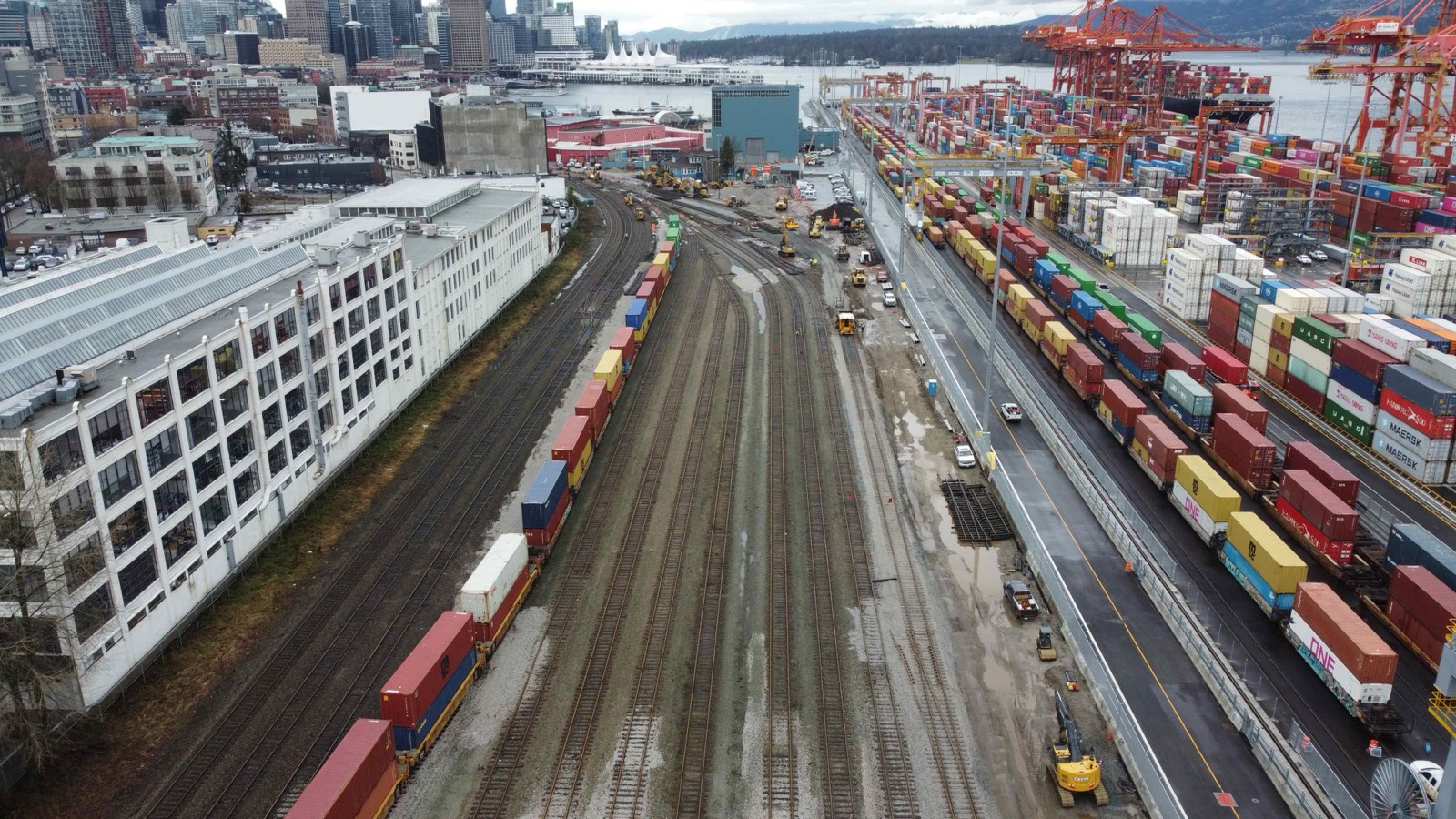
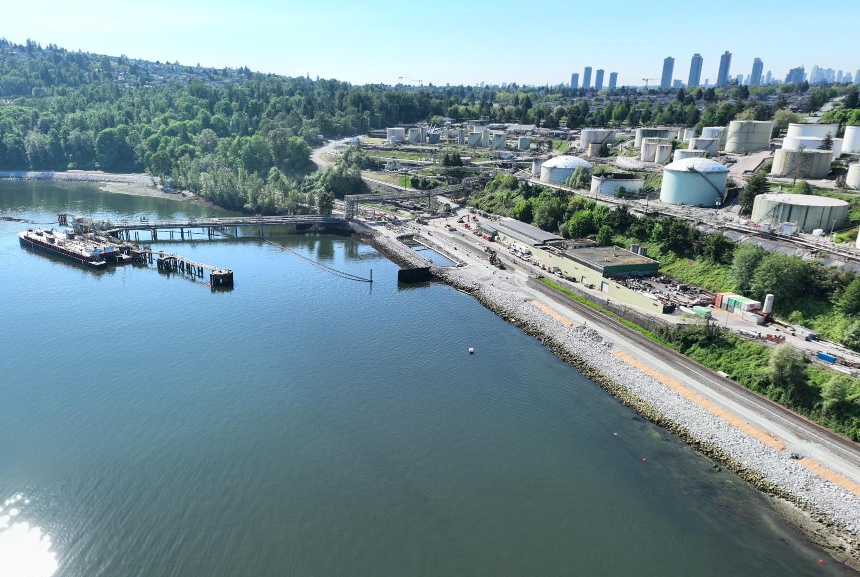
2020–2023 · $200M+ Over $200M a year of commercial infrastructure, and no two projects alike: customer work on environmentally sensitive shoreline at the Port of Vancouver, a purpose-built rail logistics terminal in Alberta's Industrial Heartland, and everything in between. The hard part was never the concrete. It was aligning engineering, legal, transportation, and operating teams behind one integration plan.
Outcome · Sustained cost-performance improvement over three years, and a body of work spanning ports, terminals, and shoreline that proved the model travels across project types.
Case study →
Led commercial infrastructure projects exceeding $200M annually, from concept development through commissioning and handover to operations.
The versatility was the point. At the Port of Vancouver I ran major customer projects hard against environmentally sensitive shoreline, coordinating customers, clients, consultants, and federal governmental agencies to move career-defining work forward on constrained waterfront sites. In Alberta's Industrial Heartland the work looked nothing like it: helping bring a purpose-built rail logistics terminal online. Different geographies, different stakeholders, one discipline.
Full-lifecycle ownership: business case, budgeting, procurement, execution, commissioning. The hard part was never the concrete. It was aligning engineering, legal, transportation, and operating teams behind one integration plan.
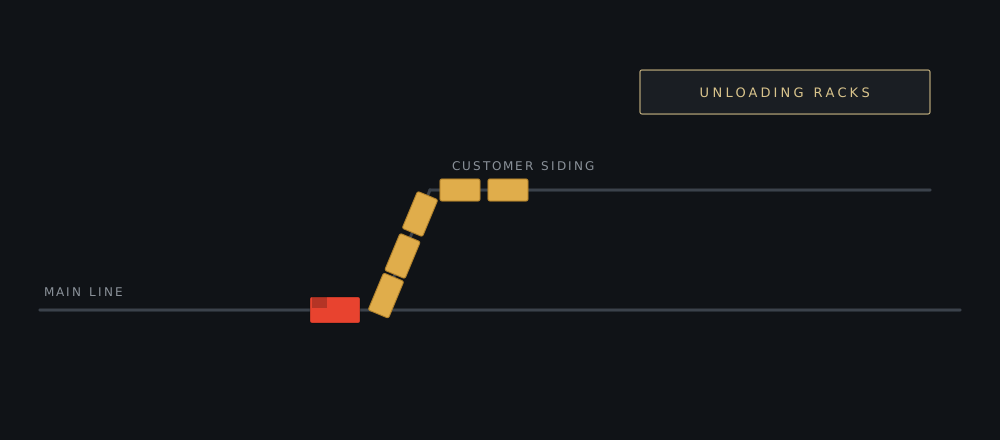
Visual comms · Built in-house
Operating Plans
Animated sample Rail operating plans are dense and full of jargon. I turn them into something a customer or stakeholder can follow at a glance, like this animated sample of how a train services a customer, from arrival to empties out.
Outcome · Complex switching made legible for people with no rail background.
Case study · live animation →
Moving a project forward often means getting non-rail people (customers, municipalities, and agencies) to understand how the railway will actually operate. A wall of text rarely lands; a picture that moves does.
This animated sample walks through the service cycle step by step: the train arrives with loaded cars, the locomotive spots them at the customer's unloading racks, the cars are unloaded, and the empties are pulled back out for the next cycle.
▶ Launch animation JUL 2023 – MAR 2024 · SASKATOON, SK · MP 072
Project Manager, Track & Structures
CPKC Railway
Concurrent infrastructure projects and unplanned incidents under deadline pressure, coordinated across engineering, operations, and contractors, with a custom GIS web app doing the heavy lifting on visibility.
5%
Under budget vs. 3-yr avg
19
Incidents restored <24h
Featured projects · 3 case studies
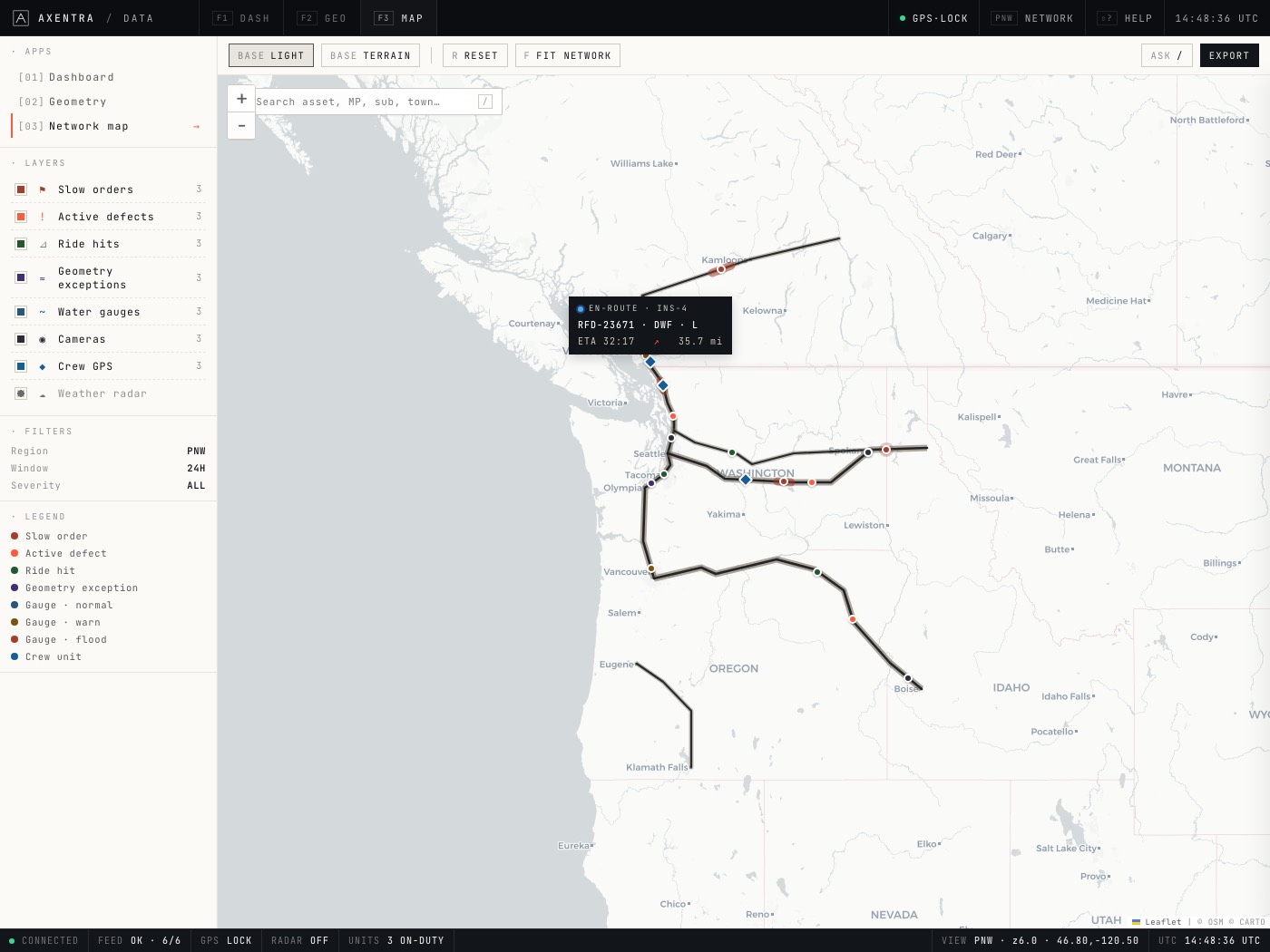
Software · Built in-house
Custom Web-App GIS for Defect Tracking
2023–2024 Built because the data existed but the visibility didn't. Real-time defect tracking, risk prioritization, and performance monitoring across the territory, later generalized into AxentraData.
Outcome · Faster, data-driven decisions and stronger reporting governance. Defects on a map beat defects in a spreadsheet, every time.
Case study · live demo →
Built because the data existed but the visibility didn't. Defects on a map beat defects in a spreadsheet, every time. Real-time defect tracking, risk prioritization, and performance monitoring across the territory, later generalized into AxentraData.
▶ Launch live demo Live artifact: the geospatial defect-tracking engine, later generalized into AxentraData.
Field leadership · 24/7 call-out
Front Line Manager · Emergency Response
19 incidents · <24h Coordinated the response to 19 unplanned operational incidents, directing engineering, operations, and contractor teams on scene under changing field conditions.
Outcome · Full operations restored within 24 hours, all 19 times.
Case study →
Unplanned work is where planning discipline shows. Nineteen times in nine months the territory threw something unscheduled at us, and each incident ran the same playbook: assess, mobilize local assets, restore, then feed the lessons back into the risk register.
The frontline part mattered as much as the plan. I was on scene directing engineering, operations, and contractor crews under changing field conditions, where the difference between a 24-hour restoration and a week is decided in the first few hours.
Planning discipline · Territory-wide
Capital & Maintenance Planning
5% under budget Sequenced the territory's capital and maintenance work as one plan, so crews, materials, and scarce track time were booked against each other instead of competing.
Outcome · 5% under the company's three-year budget average, with scope intact.
Case study →
Capital projects and maintenance draw on the same crews, the same materials, and the same scarce track time, so I planned them as one portfolio. Local assets and reclaimed materials went back into the program, and planning discipline was tightened so the savings came from method, not from cut scope.
The same rigor went into the books: local job-cost reviews and accountability measures brought financial reporting in line with corporate standards, so the plan and the ledger told the same story.
MAR 2024 – PRESENT · SASKATCHEWAN · MP 100
Senior Manager, Engineering
CPKC Railway · Principal engineering contact for the province
Planning and execution of the territory's capital program across track, structures, and facilities, briefing C-suite leadership, engaging mayors and councillors, and building the AI-enabled tooling that keeps a distributed workforce moving.
$100M
Annual capital program
95%
Timeline compliance, 2 yrs
30%
YoY slow-order reduction
Featured projects · 3 case studies
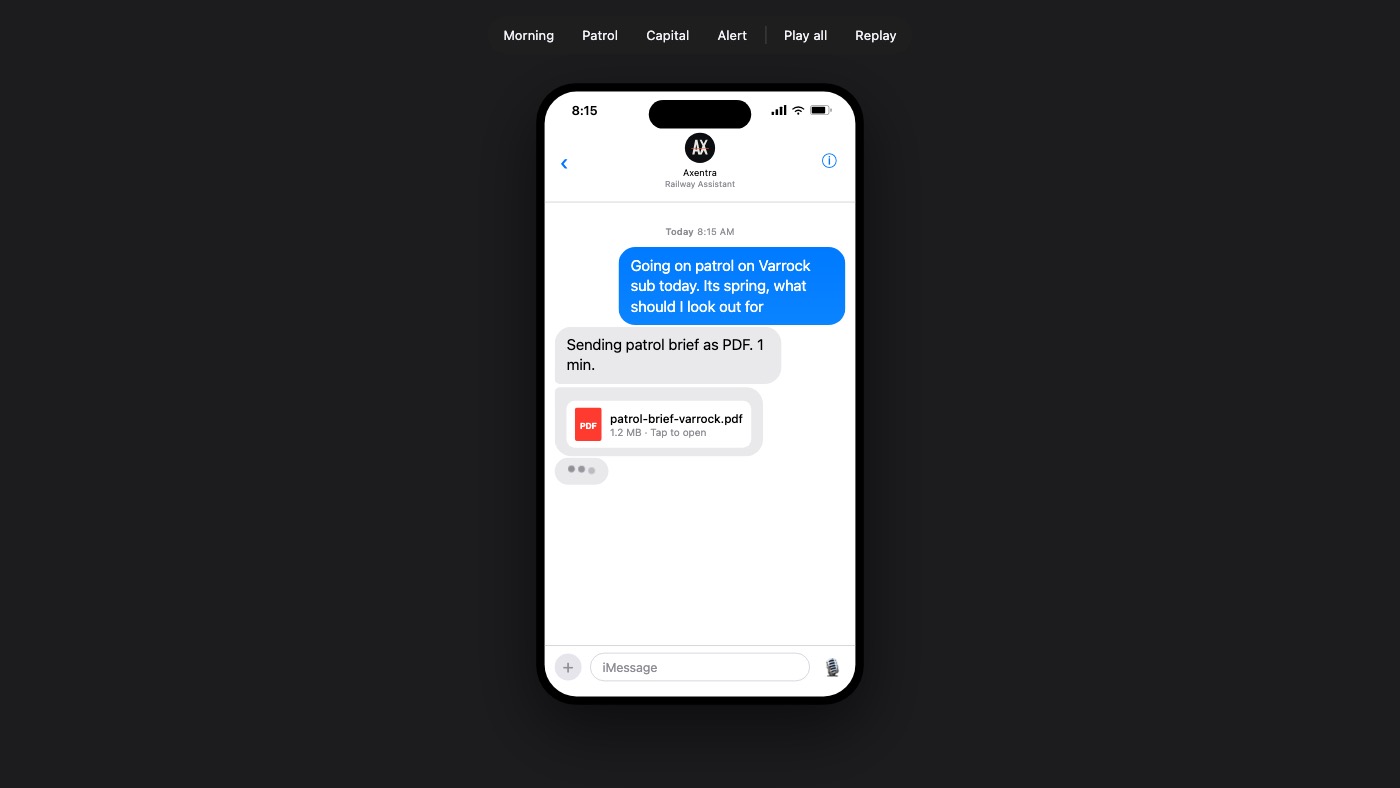
Software · Shipped to crews
Offline AI Alert System
2025 Field crews don't have reliable connectivity, so the AI went to them: offline alerting woven into existing workflows. No app, no dashboard, just text. Later generalized into AxentraData.
Outcome · Production and reporting efficiency up 30% across the territory.
Case study · live demo →
Field crews don't have reliable connectivity, so the AI went to them: an offline alerting system woven into existing field workflows. It was the connect-the-dots project that presaged AxentraData.
▶ Launch live demo Live artifact: field alerts delivered the way crews already communicate. No app, no dashboard, just text. Later generalized into AxentraData.
Leadership · Province-wide
Leading People
100+ led More than 100 employees and contractors across engineering, trades, and operations, spread over an entire province and led through their frontline supervisors.
Outcome · A distributed workforce aligned on safety first, while holding quality, schedule, and cost.
Case study →
Leading a railway territory means leading people you rarely see in the same room: 100+ employees and contractors across engineering, trades, and operations, distributed across Saskatchewan. Alignment comes from clear priorities and a tight coordination rhythm with field teams, not from proximity.
Safety is the first of those priorities. Site safety plans are enforced as the first order of work on every job, and I co-chair the territory's Workplace Health & Safety Committee, keeping the conversation between crews and leadership open in both directions.
Strategy · 5-year horizon
Long-Term Organizational Planning
5-year plan A five-year plan for the territory: bringing legacy infrastructure to current standards while building the organization — people, skills, and budget rhythm — to deliver it.
Outcome · 50+ miles upgraded and slow orders down 30% year over year, inside annual budget limits.
Case study →
A capital plan is a negotiation between the railroad you have and the railroad you need. The five-year plan sequences legacy infrastructure up to current standards mile by mile, balancing long-range priorities against annual budget and operating constraints.
The organizational half is what makes it hold: readiness coordinated across engineering, transportation, mechanical, and operations ahead of major activation milestones, and a bench of supervisors developed to run the program year after year, not just this season's work.